The hospitality industry has undergone significant transformations over the past decade, largely driven by advancements in technology. One of the most notable innovations has been the introduction of robotics, which has begun to reshape traditional service methods. In resorts and casinos, robotic service innovations are not merely a futuristic concept; they are becoming an integral part of the guest experience and operational efficiency.
Robots are being employed in various capacities, ranging from concierge services to food and beverage delivery. These machines are designed to assist human staff, enhancing the level of service provided to guests. For instance, robotic servers can efficiently deliver meals directly to customer rooms or tables. Hence, reducing wait times and allowing human staff to focus on personalized guest interactions that require a human touch. Additionally, robots equipped with artificial intelligence can manage reservations, answer inquiries, and assist with check-in processes, streamlining operations significantly.
The benefits of robotics in the hospitality sector extend beyond mere efficiency. Robotics can also address workforce challenges, such as labor shortages and high turnover rates. This ensures that critical services are maintained even during peak times. Moreover, the use of robots can improve consistency in service delivery. They follow programmed protocols meticulously, resulting in a uniform guest experience.
As resorts and casinos continue to adopt these innovative solutions, it is clear that robotics will play a pivotal role in redefining hospitality. The intersection between technology and guest service is creating an environment where enhanced experiences can flourish. This ultimately leads to higher guest satisfaction and retention. This evolution not only benefits the customers but also helps organizations to remain competitive in a rapidly changing industry landscape.
The Role of Robotics in Modern Hospitality
The hospitality industry is undergoing a significant transformation, driven by the integration of robotics and autonomous systems. Resorts and casinos are at the forefront of this revolution, utilizing robotic servers and smart technologies to enhance service delivery. The deployment of these innovations brings about a multitude of benefits, which can fundamentally change the way guests experience hospitality.
One of the primary advantages of robotic systems in hospitality is increased efficiency. Automated service robots, for example, can handle repetitive tasks such as delivering food and beverages to guests. This enables human staff to focus on more complex and personalized customer interactions. This not only optimizes workforce allocation but also reduces waiting times. This helps ensure that guests receive a smooth and seamless dining experience.
Furthermore, robotics provides consistent operations which enhance reliability in service delivery. Robots are programmed to follow standardized procedures, ensuring that every interaction adheres to the same level of quality. Such consistency can lead to enhanced guest satisfaction, as patrons are more likely to receive the same exceptional service on multiple visits. Additionally, using robotics helps maintain health and safety standards, especially in an environment where hygiene is crucial.
Despite these advantages, integrating robotic systems into existing hospitality frameworks is not without its challenges. Issues related to cost, employee training, and technology acceptance can hinder the implementation process. There is often resistance from staff who may view robotics as a threat to their jobs. This leads important discussions to find balance between automation and human touch in service. Additionally, ensuring that robotic systems function effectively in diverse environments requires continuous maintenance and updates.
Robotic Cocktail Servers: Enhancing Casino Floor Experience
The integration of robotic cocktail servers into casino environments has emerged as a significant trend. Robotics are revolutionizing the way service is delivered on the casino floor. These innovative machines are designed to improve the efficiency and speed of beverage service. Hence, ultimately leading to an enhanced guest experience. In busy casino settings where patrons seek quick service to maintain their gameplay momentum, robotic servers play a critical role in alleviating pressure on human staff while providing timely drink delivery.
One of the key benefits of utilizing robotic cocktail servers is the substantial reduction in wait times for guests. Traditionally, long queues or delays in beverage service can dampen an otherwise lively casino atmosphere. With robots equipped to navigate the bustling environment, guests can receive their orders promptly. This minimizes idle time and allows for uninterrupted casino gameplay. This accelerated service not only satisfies immediate customer needs but also encourages patrons to remain at the gaming tables longer, ultimately benefiting the casino’s bottom line.
Furthermore, the operational optimization achieved through the implementation of robotic servers is noteworthy. By integrating these machines with digital ordering systems, casinos can streamline their operations. Guests can place orders via mobile applications or kiosks, which are directly communicated to the robots for seamless delivery. This reduces the complexity of order management for staff, enabling human servers to focus on enhancing guest interactions and addressing more personalized requests, further boosting overall satisfaction.
In conclusion, the advent of robotic cocktail servers represents a transformative approach to service delivery within the casino industry. These innovations not only expedite beverage service and reduce wait times but also optimize operational efficiency through digital integration. By improving the overall casino floor experience, robotic servers contribute significantly to heightened guest satisfaction, ensuring that patrons leave with a positive impression of their visit.
Autonomous Room Service and Maintenance Solutions
The hospitality sector is experiencing a transformative shift through the integration of autonomous robots in room service and maintenance operations. The advent of robotic technology has made it possible for hotels to ensure timely deliveries of food, beverages, and other amenities directly to guests’ rooms. These robots are designed to navigate seamlessly through hotel corridors. The robotics utilize sophisticated algorithms to optimize routes, thereby minimizing delivery times. This efficiency is particularly beneficial during periods of high occupancy and during large events. Whereby traditional service methods may struggle to keep up with demand.
In addition to enhancing room service, autonomous robots play a crucial role in proactive maintenance solutions. These innovative machines are equipped with sensors and diagnostic tools that allow them to identify potential issues in real time. For instance, they can detect malfunctioning equipment, leaking plumbing, or other maintenance concerns before they escalate into significant problems. By addressing these issues promptly, hotels can avoid costly repairs and ensure a consistently high-quality guest experience.
The implementation of robotic solutions not only streamlines operations but also offers considerable cost savings. Labor costs in the hospitality industry can be substantial, especially in peak seasons when staffing levels must increase to accommodate larger volumes of guests. By utilizing autonomous robots for routine tasks, hotels can optimize their labor resources. This allows human staff to focus on more complex service aspects that require personal interaction and care.
Furthermore, the integration of robots into hotel operations fosters a modern image that appeals to tech-savvy guests. As guests experience swift and efficient service through these autonomous systems, hotels can enhance their reputation and competitiveness in a crowded market. The future of hospitality is undeniably linked to the ongoing development and refinement of robotic solutions in room service and maintenance.
Strategic Benefits of Integrating Robotics
The integration of robotic service systems within resorts represents a transformational shift in the hospitality industry, offering several strategic benefits that enhance operational efficiency and customer experience. One of the primary advantages is differentiation. By incorporating advanced robotics, resorts can set themselves apart from competitors, presenting an innovative image that resonates with tech-savvy consumers. For example, automated check-in kiosks and robotic servers can streamline the guest experience. This supports decreasing wait times and creates a unique appealing environment.
Moreover, robotic innovations contribute to cost leadership. By automating repetitive tasks, resorts can reduce labor costs and reallocate human resources towards higher-value interactions, such as personalized customer service. This not only enhances operational effectiveness but also allows staff to focus on areas that significantly impact guest satisfaction, leading to an overall better experience. This strategic move can effectively lower costs while maintaining service quality, which is essential for sustaining competitive advantage.
Additionally, integrating robotics enhances brand identity. Modern consumers increasingly favor brands that embrace technology and innovation, viewing them as forward-thinking and accommodating. By leveraging robotic systems, resorts can foster a reputation that aligns with the expectations of today’s visitors. This improved brand perception can be crucial in attracting a broader audience. Especially younger demographics who are more inclined to seek out technologically advanced experiences.
In summary, the strategic benefits of integrating robotic service systems in resorts manifest through differentiation, cost leadership, and enhanced brand identity. These elements collectively play a significant role in attracting modern consumers. And ensures that resorts maintain a competitive edge in the ever-evolving hospitality landscape.
Creating a Sustainable Competitive Advantage
The hospitality industry stands at the precipice of transformation as robotics and automation integrate into service delivery. By embracing these technologies, resorts can create a sustainable competitive advantage that transcends traditional service offerings. One critical aspect of this advantage is differentiation through unique, tech-driven experiences that captivate guests. Robotics can be deployed in various capacities, such as in-room service robots, automated check-in kiosks, and even AI-driven concierge services. These innovations not only enhance operational efficiency but also offer guests memorable interactions that set resorts apart from their competitors.
In addition to differentiation, the incorporation of robotics can lead to significant cost reduction strategies. Labor expenditures often represent a substantial portion of a resort’s operating costs. By utilizing robotic solutions, resorts can optimize their workforce. And reallocate staff to roles that require a human touch while allowing robots to manage routine tasks. This shift not only helps streamline operations but also drives long-term growth through improved margins. As resorts see reduced operational costs, they can reinvest those savings into enhancing guest experiences. The reinvestment fosters further differentiation within a highly competitive market.
Moreover, the adoption of robotic services can significantly contribute to the cultivation of guest loyalty. Providing guests with cutting-edge technologies that simplify their stay fosters an environment of convenience and satisfaction. When resorts leverage robotics to meet and exceed diverse guest expectations, they reinforce brand loyalty. Guests are more likely to return if they associate a brand with innovation, positive experiences, and personal attention. Thus, the strategic incorporation of robotics not only enhances service delivery but also lays the groundwork for a loyal customer base that thrives in the evolutionary landscape of the hospitality sector.
Innovation Leadership in Hospitality
In the rapidly evolving field of hospitality, the integration of robotic service innovations is becoming paramount for resorts seeking to establish themselves as innovation leaders. With consumers increasingly inclined toward technology-driven solutions, understanding their perceptions is crucial for hospitality businesses. Technological advancements such as robotics not only enhance operational efficiency but also significantly influence customer satisfaction and loyalty.
Consumers today are not just passive recipients of services; they actively seek out luxury experiences that are personalized and seamless. Research suggests that a growing segment of travelers is impressed by technology, particularly when it elevates their stay. Robotic systems, such as automated check-in kiosks and room service drones, can streamline processes, allowing staff to focus on more personalized guest interactions. This capability transforms the guest experience, fostering a perception of innovation that resonates with tech-savvy travelers.
Moreover, the implementation of robotic systems can serve as a differentiator in the competitive hospitality market. Resorts that embrace cutting-edge technology position themselves as forward-thinking establishments, appealing to consumers who prioritize modern conveniences. Additionally, showcasing these innovations can enhance a resort’s marketing strategies, reinforcing brand identity and attracting a more diverse clientele. By staying ahead of technological trends, resorts can also effectively respond to shifting consumer preferences, creating a dynamic environment that adapts to the demands of the market.
As hospitality leaders recognize the potential of robotics, they must also consider the balance between technology and traditional service. While embracing innovation, it remains essential to ensure a human touch in hospitality services. Ultimately, by fostering a culture of innovation, resorts can not only enhance their operational capabilities but also fortify their reputation as leaders in the hospitality industry, catering to the aspirations of modern travelers.
Challenges and Considerations of Robotics Integration

Financial Investment
As the hospitality industry embraces robotic service innovations, several challenges and considerations must be carefully addressed by resorts. One of the primary concerns is the initial financial investment required to procure and implement these technologies. Robots can entail significant upfront costs. This includes not only the acquisition of the devices but also installation, maintenance, and potential upgrades as technology advances. Resorts must conduct a comprehensive cost-benefit analysis to ensure that the long-term efficiencies and savings provided by these robotic systems justify the initial expenditure.
Staff Adaptation
Another vital challenge is staff adaptation to new technology. Employees may possess concerns regarding job security amid rising automation, which could subsequently lead to resistance against adopting robotic systems. Thus, it is essential for management to implement a transparent communication strategy that outlines the role of robotics in enhancing rather than replacing human interactions. Training programs can be designed to help staff understand the operation of robotic systems and highlight how these innovations can complement their responsibilities, allowing team members to focus on more complex tasks that require emotional intelligence and creativity.
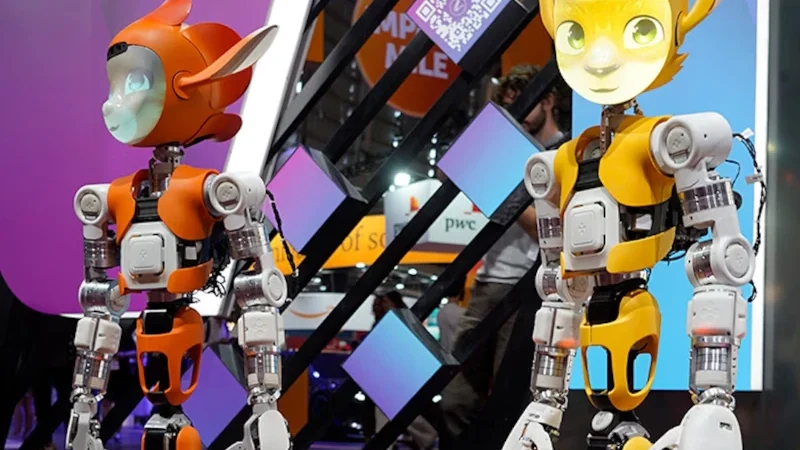
According to a recent Los Angeles Times report on CES 2024, the debut of robot baristas and AI-powered chefs has sparked both fascination and concern within the hospitality industry—particularly among casino union workers who worry about potential job displacement. This development illustrates how robots and AI continue to take on roles traditionally filled by humans, offering greater speed and consistency in service. However, it also underscores the need for a thoughtful approach that balances operational efficiency with the value of human labor. As robotics advance in modern hospitality settings, striking this balance will be crucial to ensure that technology enhancements complement, rather than overshadow, the personal touch and expertise of human staff.
Maintaining a balance between automation and the human touch is another critical consideration. While robots can streamline operations, provide efficiency, and enhance certain aspects of guest experiences, customers in the hospitality industry often cherish personal interactions with service staff. Therefore, resorts must explore ways to integrate robotics thoughtfully, ensuring that the presence of machines enhances guest experiences without diminishing the essential human connection. Establishing this balance is fundamental for resorts to fully leverage robotic innovations while preserving the warmth and hospitality that guests expect.
Future Trends in Robotic Innovations within Hospitality
The hospitality industry is on the cusp of a significant evolution as robotic innovations continue to gain traction. Emerging technologies, such as artificial intelligence (AI), machine learning, and advanced sensors, are pivotal in driving this transformation. In particular, AI-driven robots are anticipated to enhance their capabilities beyond simple tasks, evolving into complex systems capable of delivering highly personalized guest experiences. For instance, future robots may utilize emotion recognition technologies to gauge guest satisfaction and respond accordingly, thus elevating service levels.
Furthermore, the expansion of robotic functionalities is expected to encompass diverse areas within the hospitality sector. As increasingly sophisticated robots emerge, tasks such as room service delivery, cleaning, and concierge services are likely to become fully automated. In addition, we may witness the integration of robots in kitchens, where they could assist chefs in food preparation and cooking processes, ensuring consistency and efficiency. This advancement not only addresses labor shortages but also aligns with the growing demand for quick service, thereby enhancing operational efficiency.
The evolving expectations of guests in a tech-enhanced environment must also be considered. Today’s travelers are increasingly acclimated to high-tech experiences, and this trend is projected to continue in the future. Guests may increasingly prefer automated services that offer convenience and speed, making the incorporation of robotic innovations essential for competitive differentiation. Hospitality providers will need to strike a balance between automation and the human touch, as personal interactions remain crucial in cultivating genuine guest relationships.
In summary, the future of robotic innovations within the hospitality sector presents an exciting array of possibilities. As technology advances, the industry must adapt to emerging trends and meet the changing expectations of guests, ultimately leading to an enhanced service experience.
Conclusion: The Future of Hospitality with Robotics
As we evaluate the transformative impact of robotic service innovations in the hospitality industry, it becomes evident that these advancements offer numerous benefits. Robotic technology enhances efficiency, streamlines operations, and enables establishments to provide services with greater precision and consistency. From automated check-ins to intelligent room service delivery, the integration of robotics has driven significant improvements in guest experiences, reducing wait times and allowing staff to focus on delivering high-quality personalized service.
However, it is important to note that the successful adoption of robotics in hospitality does not diminish the value of human interaction; rather, it emphasizes the necessity of blending technology with human service. While robots can efficiently handle repetitive or mundane tasks, the human touch remains irreplaceable, particularly in areas where emotional connection and nuanced understanding are essential. This partnership between robots and human employees is integral to enhancing the overall guest experience, fostering environments where both technology and personal service thrive.
Looking ahead, the future of the hospitality industry is poised for further transformation through the continuous evolution of robotic technologies. As advancements in artificial intelligence, machine learning, and robotics continue to develop, we can anticipate even more sophisticated applications emerging in the sector. The integration of robots will not only facilitate operational efficiencies but also redefine customer engagement strategies. By embracing these innovations while maintaining a commitment to exceptional service, hospitality businesses can position themselves to meet the rising expectations of tech-savvy consumers, ultimately shaping an exciting future for the industry.

Robert J. Villemure is a digital marketing, e-commerce, and web development expert with over 20 years of experience. As the founder of OptimizexAI, he helps businesses across healthcare, hospitality, higher education, and e-commerce harness AI to drive growth and innovation. Previously, he led large-scale SEO and digital initiatives at Barton Associates and Wynn Encore Boston Harbor, optimizing websites, boosting engagement, and managing multimillion-dollar digital campaigns. A graduate of the MIT Sloan + CSAIL AI program, Robert specializes in AI-driven marketing, predictive analytics, and technical SEO. Through OptimizexAI, he shares insights and strategies to make AI and digital transformation accessible for businesses of all sizes. Connect with him.